
Reflections In Visible Ink: Storytelling to Heal What Hurts
Participants from the In Visible Ink symposium reflect upon the prospects of trauma, memory and healing that emerge when we tell difficult stories.
Participants from the In Visible Ink symposium reflect upon the prospects of trauma, memory and healing that emerge when we tell difficult stories.

How can Australia use the UN Global Compact on Refugees to fulfil its international human rights obligations on refugees? Dr Michael Henry AM investigates.
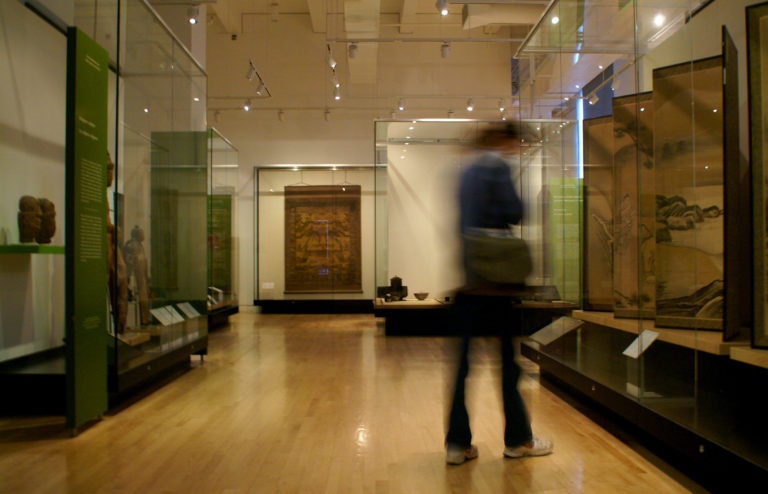
Sarah Yeung reviews the In Visible Ink symposium, in light of the role of museums as both sites of trauma and healing.
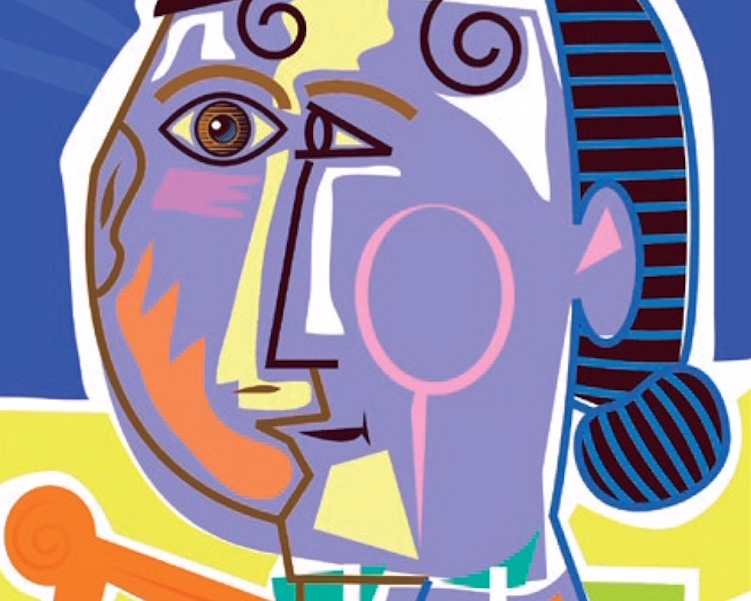
Surrogacy violates the basic human rights of women and children. Dr Renate Klein explains why the practice should be banned in Australia to protect the most vulnerable.

Kaushi Kogar suggests that the enforcement of abortion laws is no easy task; we need to do more to ensure that termination services are accessible and affordable to all women.

Ali MC considers the statelessness of the Rohingya people, and how the ethnic divisions resulting from colonisation have left them with few allies.
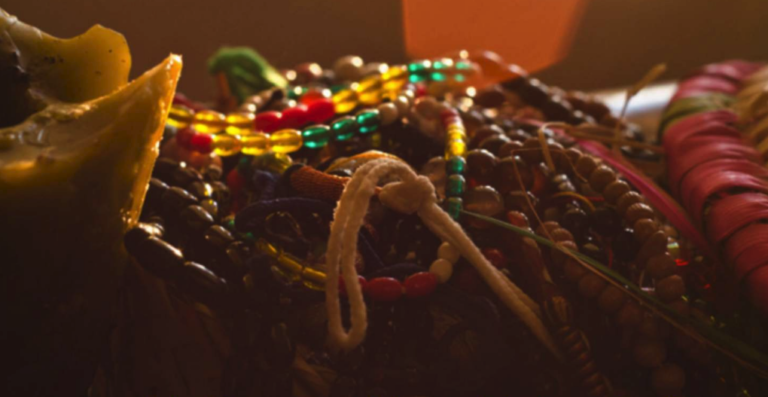
How the work of Perth-based Marziya Mohammedali reflects on narratives of dissent, identity, migration and transition.
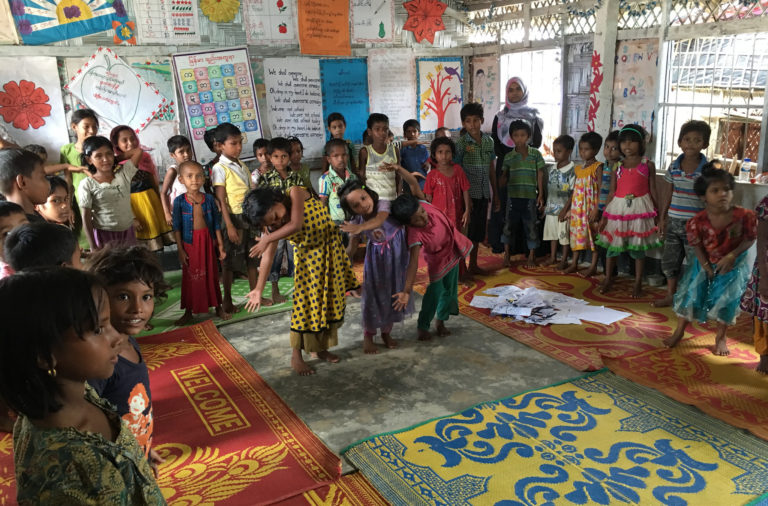
Monday 10 December marks Human Rights Day, a day to ask the question: how can we help to uphold the rights of the most vulnerable?
The question is whether this is for the protection of the community or simply to expand Ministerial power to cancel visas for allegedly gang-related activity.

The conversation around human rights comes in all forms, in this six-part series we explore that conversation through the lens of film.
The demonisation of the Sudanese community is not a new phenomenon, it is a trend. Francis Deng reflects on the unseen impacts of media sensationalism.

How a social media movement gave victims, activists and communities a language to voice their lived experience without the need for legalese.