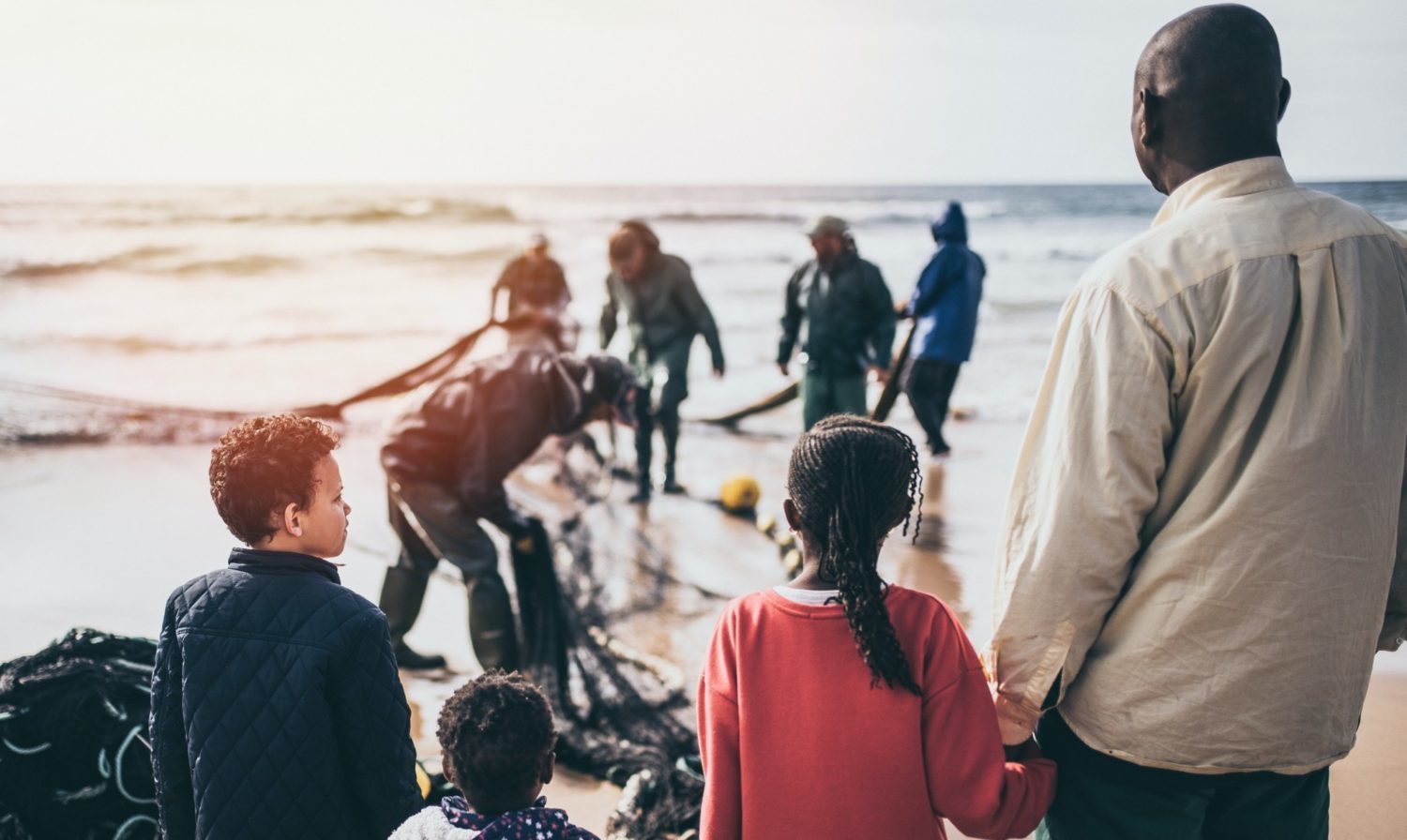
The government’s COVID-19 relief package leaves out the most vulnerable
In this time of community spirit, our systems continue to marginalise and discriminate against refugees and people seeking asylum.
In this time of community spirit, our systems continue to marginalise and discriminate against refugees and people seeking asylum.

Emma Hartley argues that a democratic deficit at Australian universities is stalling progress on addressing systemic issues like sexual violence and placing the onus of action on students rather than administration.
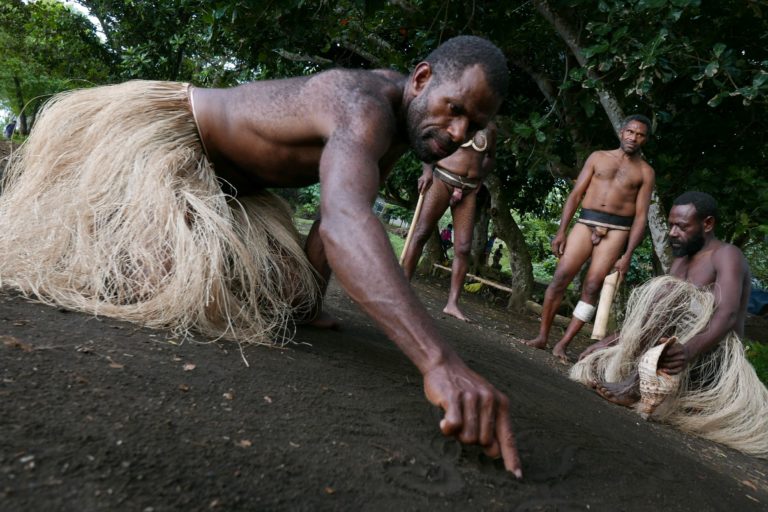
Photo essay on Ambrym Island’s annual Yam and Magic Ceremony and the dance that goes along with it.
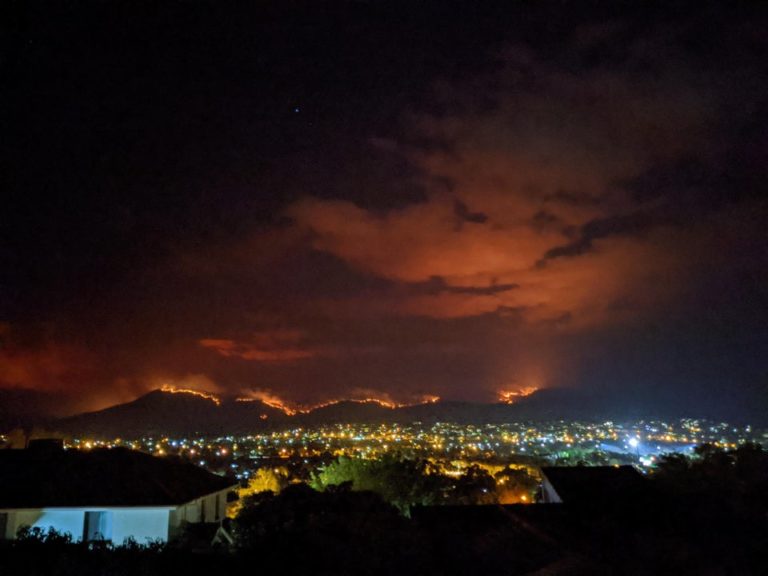
The need to take urgent action on climate change is clear, for our environment, for our economy and for our human rights, Hugh de Kretser from the HRLC explains.
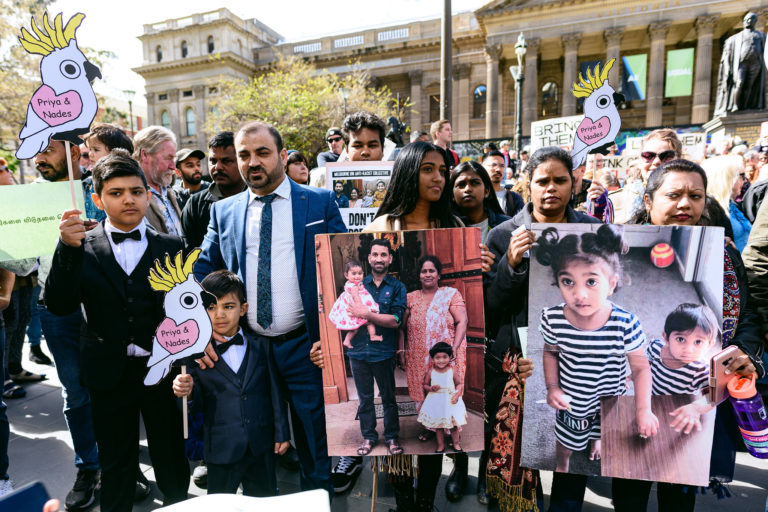
Citizenship in Australia is not a constitutional right, leaving Australian citizenship law vulnerable to political whims.

The government was armed with rhetoric for a climate change debate, but not prepared for any disaster a changed climate brings.
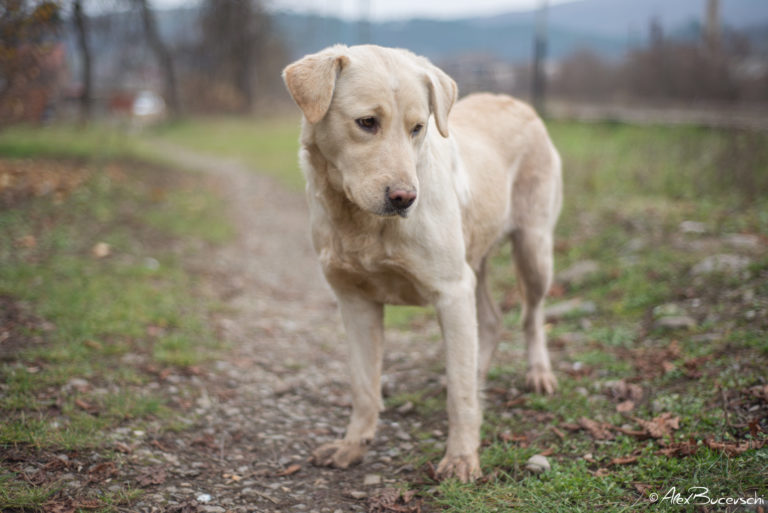
Eliah Castiello explores the distinction between animal rights and animal welfare, and how our understanding of human rights affects how we treat animals.
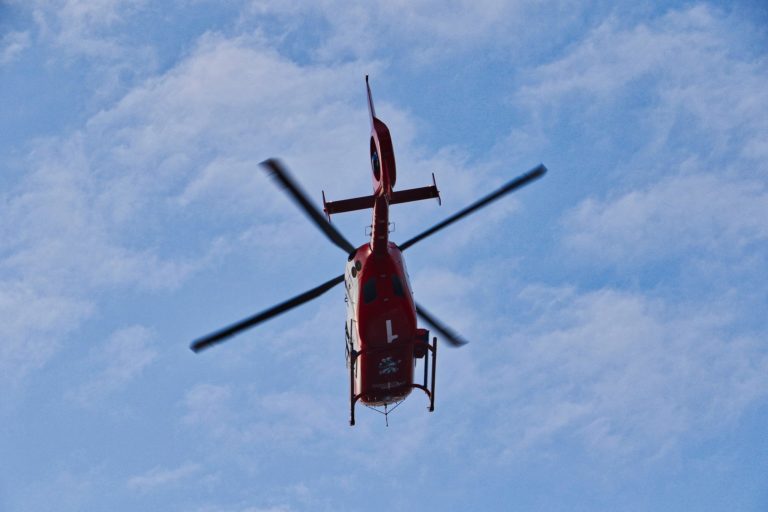
Through its repeal of the medevac legislation, Australia has taken our future and made it our demise, writes Shamindan Kanapadhi.
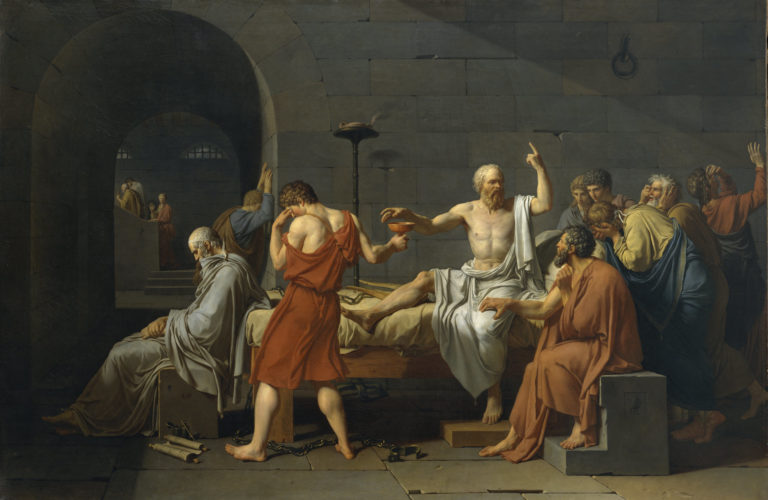
In light of the voluntary assisted dying bill currently before the Western Australian parliament, Janelle Koh considers voluntary assisted dying from a critical rights perspective, and queries whether a right to a good death may operate with unequal effect upon minority populations.
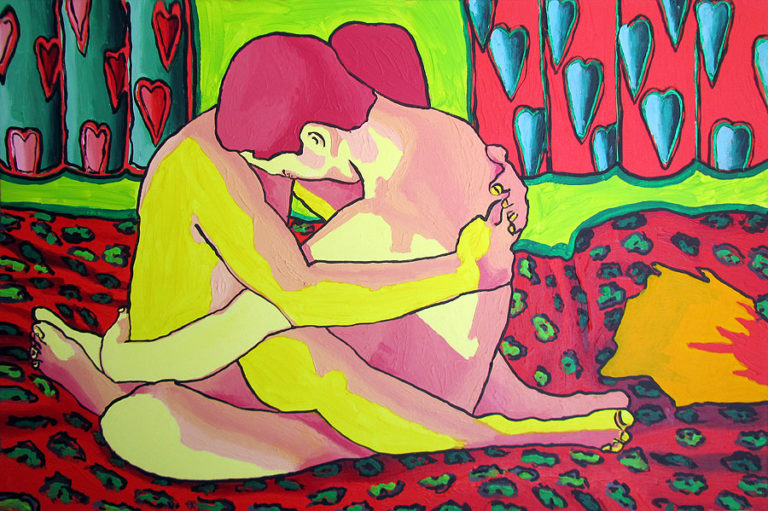
Daryl Yang considers the criminalisation of non-disclosure of HIV in Singapore, and the implications of a recent legal development for LGBTQ+ Singaporeans.

Danish Khan considers the differences between the teaching of indigenous history in Australia and in Pakistan.

Janelle Koh considers the distracting influence of social media on our daily lives, and the implications it has for human rights.