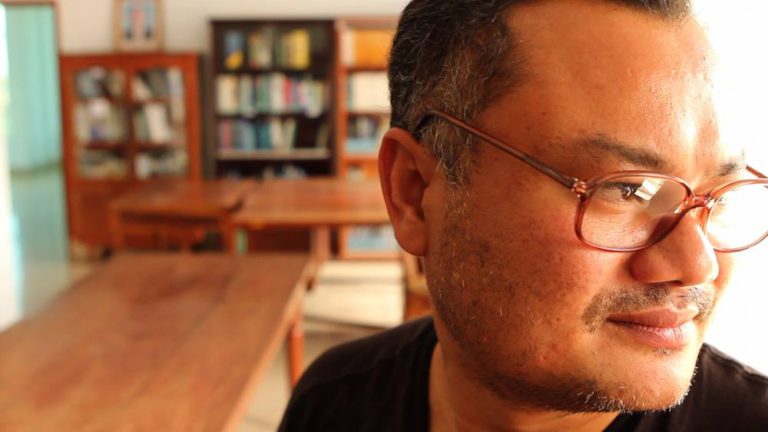
Looking for Camp 32: a personal journey into Cambodia’s dark past
Camp 32 gives a voice to those victims who should not be forgotten or overlooked, writes Samaya Borom.
Camp 32 gives a voice to those victims who should not be forgotten or overlooked, writes Samaya Borom.
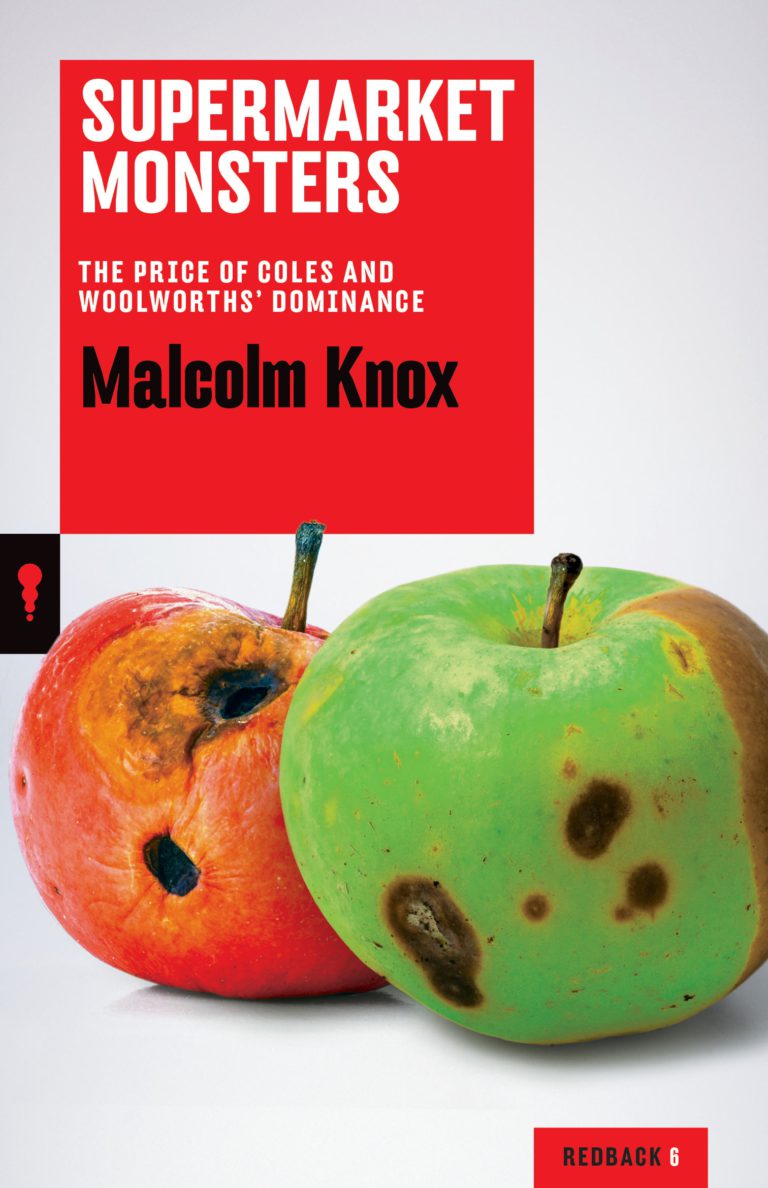
Supermarket Monsters is an easy-to-read documentation of the sins of the supermarkets, writes Lou Heinrich.
Defendant 5 and Black Ice are both testaments to the inspirational endurance of the environmental movement, both at the most basic grassroots level and on the world stage, writes Christieanna Ozorio.

The Handbook is not your typical book about climate change science, writes Pia White.

Freedom Stories exposes how refugees’ experiences have informed their post-settlement life in Australia.

An exhibition at the Melbourne Writers Festival uses the age-old practice of letter writing to demonstrate the gravity of the world’s climate change problem.

Wages of Rebellion is a nonviolent call to arms for us to not accept injustice but to “fight for life”, writes Athena Rogers.

Klaus Neumann uses individual stories to illustrate the historical nexus between immigration policy on a macro level and its direct effect on refugees and asylum seekers, writes Christieanna Ozorio.
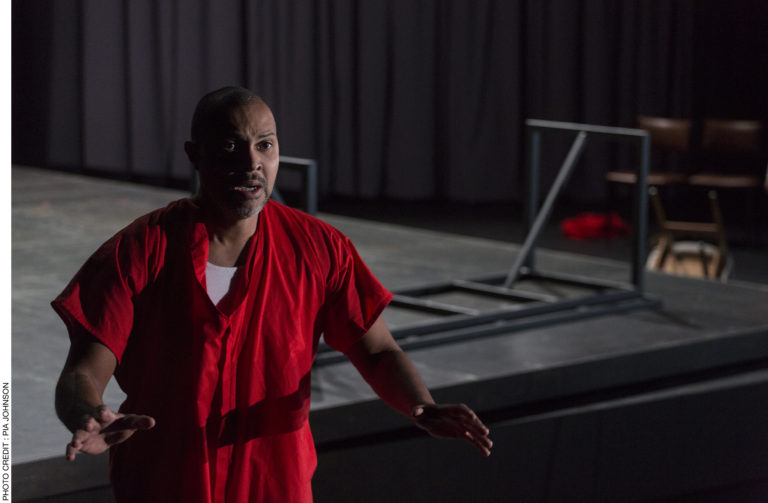
Treating injustice as a whole concept, I Am A Miracle questions humanity, what it is to be human, law, and its role in justice.

Deftly written and all-inclusive, No Small Change: The Road to Recognition for Indigenous Australia is a must read, writes Samaya Borom.
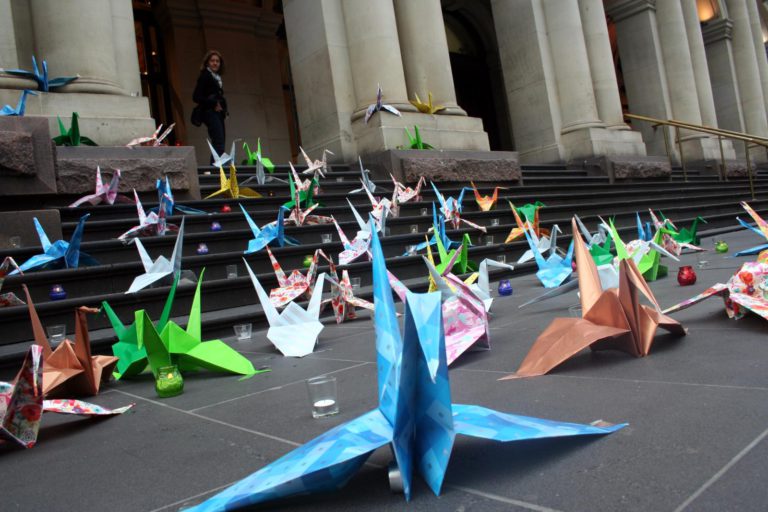
Time for Peace shows us how our misunderstanding of and lack of sensitivity towards the role of time in conflict prevention hinders our utopian dream of achieving a global sustainable peace, writes Athena Rogers.
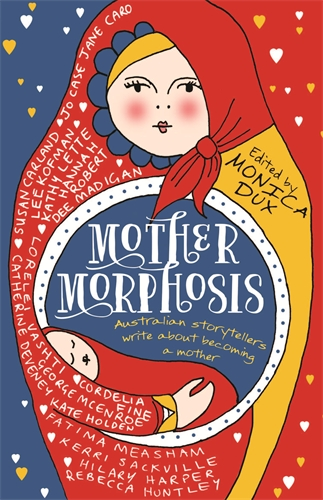
Taken as a whole, the essays in Mothermorphosis reflect the fact that the term motherhood encompasses a broad spectrum of experiences, writes Magdalena McGuire.