
First Contact and the diversity of ignorance
First Contact provides a fascinating insight into the diversity of ignorance in Australia, writes Sam Ryan.
First Contact provides a fascinating insight into the diversity of ignorance in Australia, writes Sam Ryan.
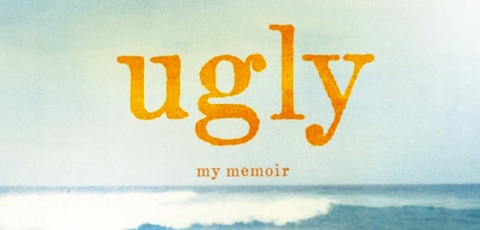
Born with multiple deformities, Robert Hoge’s life story, documented in his memoir Ugly, is anything but, writes Maya Borom.
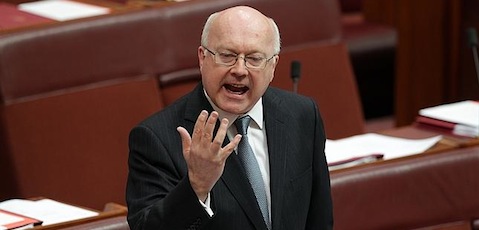
The government was criticised for paying little attention to rights on two major issues during October: its new anti-terror laws and its response to the spread of Ebola.
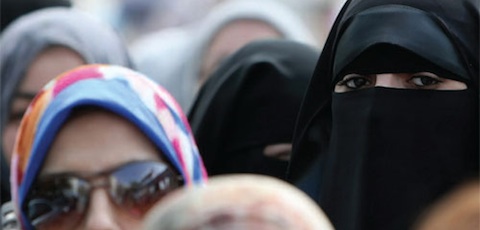
“What Is Veiling?” is a timely book that provides an understanding and context that has been lacking in discussion about one of the most talked about items of clothing, writes Maya Borom.

Now there’s an app that can prevent you from being racist. Caroline O’Brien explains.

Sami Shah’s account of life amid and away from humanitarian crisis in Pakistan is, above all, an ode to comedy, writes Sonia Nair.
Michael Mohammed Ahmad’s fictional The Tribe is an honest and widely relatable account of life as a young Arab-Australians, writes Maya Borom.
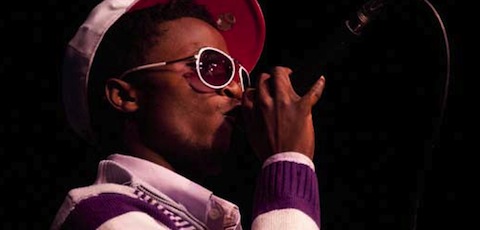
Mabel Kwong reports on Righteous: Rights at the Round Table, a youth forum and creative space for culturally diverse expression and celebration held as part of the Melbourne Fringe Festival.

“Refugees: Why Seeking Asylum is Legal and Australia’s Policies Are Not” is an easy guide to one of Australia’s most debated topics, writes Maya Borom.
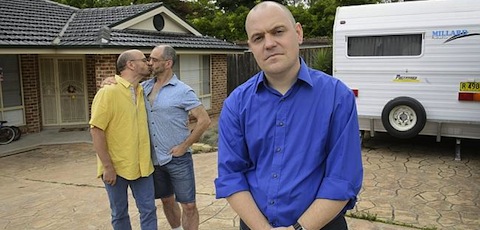
SBS series, Living With the Enemy misses a golden opportunity to explore human rights issues in a constructive manner, instead opting for the sensational, writes Christie-Anna Ozorio.
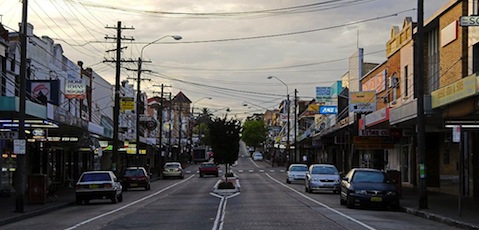
Christopher Pyne’s higher education reform package and Tim Blair’s flash visit to Lakemba were two issues that sparked much media debate around rights and discrimination during August.
James Dryburgh’s Essays From Near and Far has a broader focus than human rights, and demonstrates their true place, above politics, writes Sam Ryan.