
Bhutan is more than a “fallen Shangri-La”
Romantic stereotypes can be problematic in the case of Bhutan, an ancient culture finding its feet while transitioning to democracy and embracing new media, writes Georgia Kartas.
Romantic stereotypes can be problematic in the case of Bhutan, an ancient culture finding its feet while transitioning to democracy and embracing new media, writes Georgia Kartas.
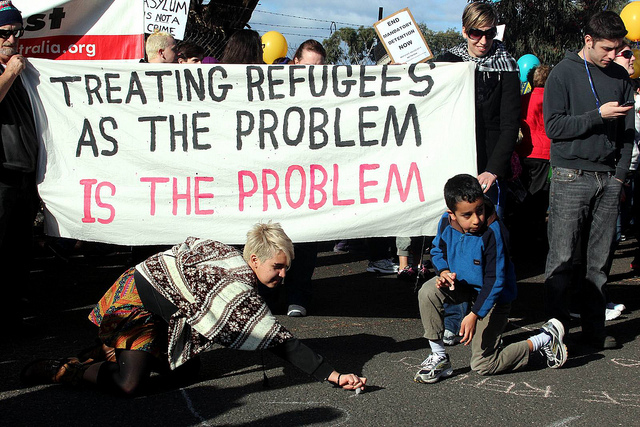
The Big Issue special edition’s respectful reportage draws heavily on first-hand testimonies and the accounts of asylum seekers themselves, rather than editorialising and moralising their experiences, writes Veronica Sullivan.

It is the combination of angry, overt role-reversal and more enigmatic images that makes Object a fascinating social and historical commentary, writes Christopher Ringrose.

The Coal Face is crucial reading for those interested in an analysis of the vested interests that culminated in the Hazelwood coal mine fire, writes Samaya Borom.

Mona Eltahawy’s depictions of male hatred towards women in the Arab world is aggressive, rage-inducing, and personal, writes Lou Heinrich.
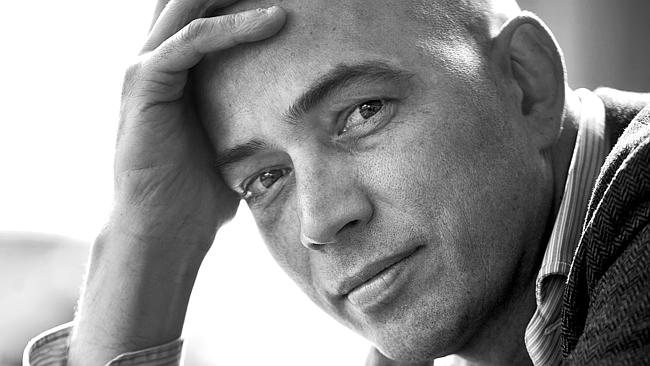
These Are The Names is a deeply compassionate and poetic novel that revolves around the themes of displacement and migration, writes Khalid Warsame.

The Nature/Revelation exhibition uses art to manoeuvre the viewer into feelings of awe and respect of the natural environment and the effects of climate change, writes Christopher Ringrose.
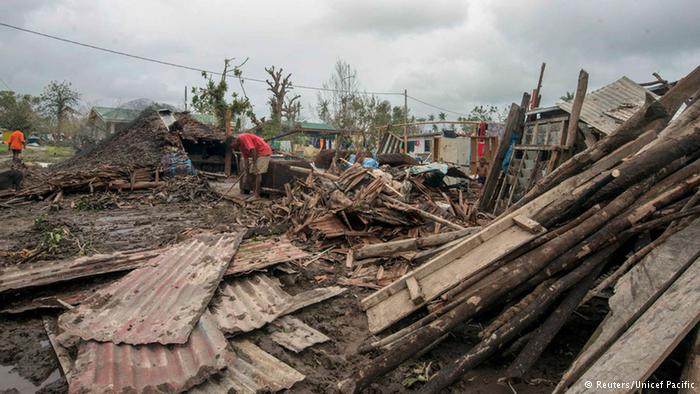
Despite Australia’s commendable efforts in the aftermath of Cyclone Pam, an important insight that came out of a panel discussion was Australia’s need to take leadership on the matter of climate change, writes Donna Lu.

Wry political satire, coupled with sharp observations plucked from daily headlines, is a comedic goldmine, writes Heath Chamerski.

ASIO’s new question and detention warrants are just one in a myriad of bills, acts and amendments that are summarised and scrutinised in a new book, writes Athena Rogers.

Artist and children author Rod McRae’s latest exhibition forces viewers to confront the ethics of animal treatment, writes Mabel Kwong.
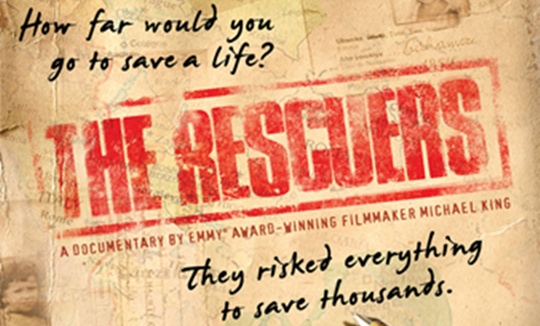
Individual courage, perseverance, and the willingness to stand up to ostensibly unbeatable systems can still influence the history and implementation of human rights, writes Christopher Ringrose.