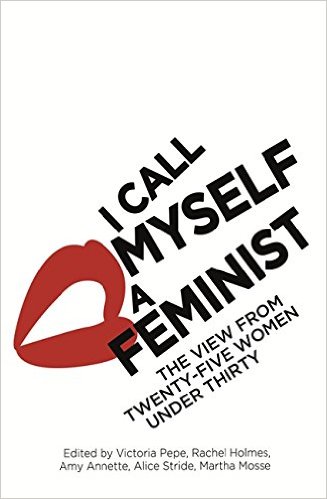
Have we reached peak feminism? Not even close
I Call Myself a Feminist touches on issues as diverse as language, consent, identity, body acceptance and religion, writes Pia White.
I Call Myself a Feminist touches on issues as diverse as language, consent, identity, body acceptance and religion, writes Pia White.

Other States of Mind testifies to the capacity of shared creativity to counter suffering and foster awareness in others.

I Gave a Gonski lends an interesting glimpse into the life of David Gonski, the businessman and philanthropist largely associated with Australian education reform.

Melissa Davis’s short film Dumpster to Dinner Plate is an eye-opening reminder that we’ve become unsustainably fussy, writes Sam Ryan.
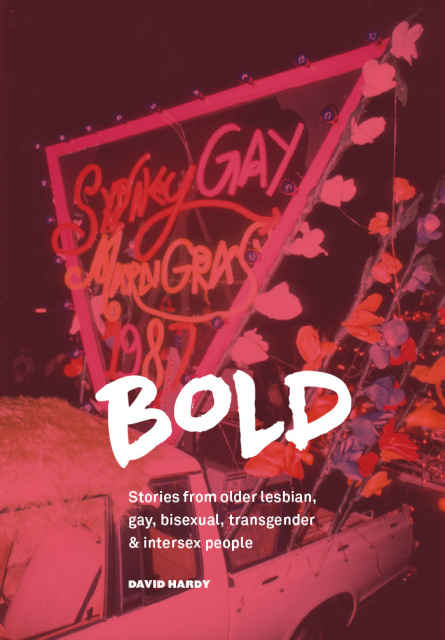
The beautiful ways in which the writers in Bold convey their fight for equal rights and acceptance is truly inspiring, writes Heath Chamerski.

Moral Injury: Unseen Wounds in an Age of Barbarism challenges the status of PTSD as the dominant model for understanding post-war mental torment.

In Asking For It, Louise O’Neill unpacks the narratives around women’s bodies and their sexuality that create a culture in which sexual violence is excused, writes Lou Heinrich.
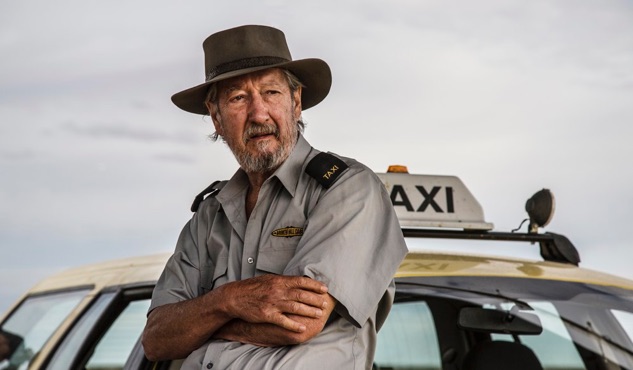
Clare McKenzie reviews the film Last Cab to Darwin, highlighting the complexities involved in the euthanasia debate.

Australian Women War Reporters: Boer War to Vietnam is a book about the struggle of women attempting to define themselves outside of stereotypical notions of gender, writes Samaya Borom.

Abdi Aden’s global search for peace serves as an unconventional coming of age story as well as a wonderful testament to the value of optimism, writes Heath Chamerski.

Black Rock White City humanises pain and trauma by depicting refugees as individuals, not casualties of war, writes Magdalena McGuire.

Not Just Black and White is a historical record of governmental misdeeds when it came to “stolen wages” and an inspiring intergenerational story of perseverance, courage and success