
The African Australian Question Part II: Trying to form an identity on an anxious and isolated island
This is the second part in a two-part series on Australian identity and the African Australian Question.
This is the second part in a two-part series on Australian identity and the African Australian Question.
This is the first part in a two-part series on Australian identity and the African Australian Question.

On January 22 the possession and facilitation of nuclear weapons will be prohibited by international law, however, Australia has at every stage of the law’s process shown its unwillingness to create an anti-nuclear world.
Our three most-read stories this year encapsulate the adage ‘the personal is political,’ exploring wider issues in the world through lived experiences. Look out for these writers in 2021.
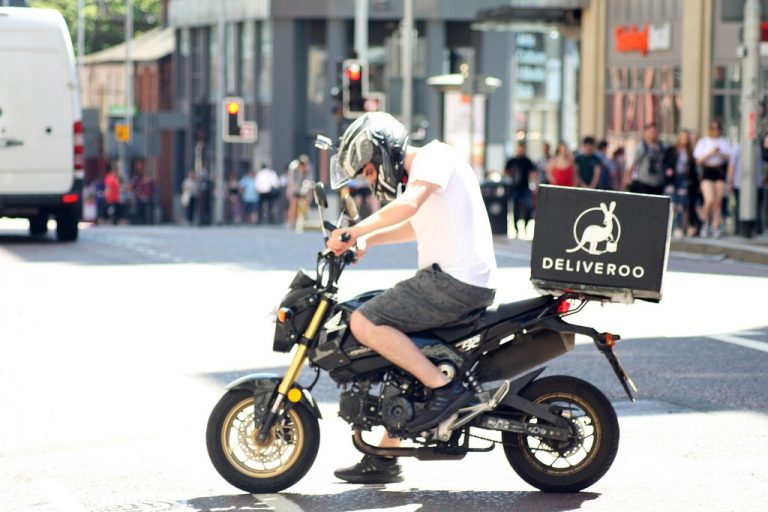
Last month in Sydney a 37-year-old Malaysian man, whose name has not yet been disclosed, was riding his bike to deliver a meal for UberEats when he was hit by a truck and killed. His death is the most recent of five delivery drivers killed on Australian roads in the last three months, further intensifying the scrutiny of working conditions within the gig economy.
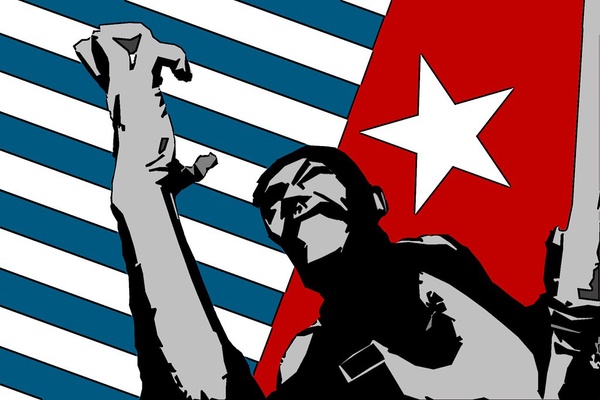
To commemorate Human Rights Day on 10 December 2020, the role of music as a right, and as an expression, is celebrated, writes West Papuan musician and activist Ronny Kareni.
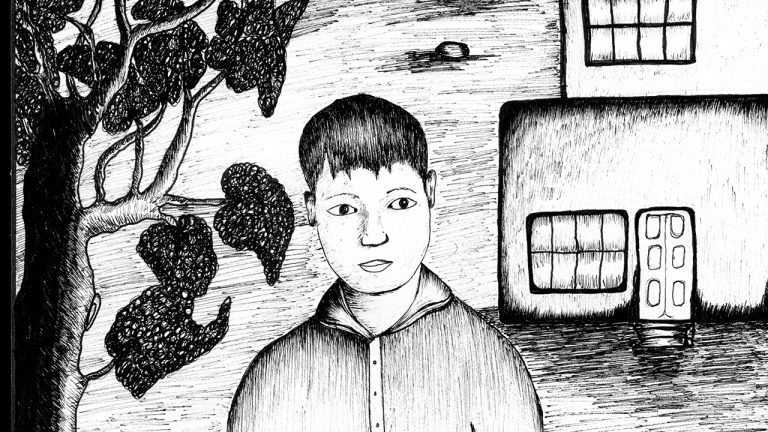
Dr. Sangeetha Pillai writes about the story of Zaki Haidari and how he got caught up in Australia’s ‘legacy caseload’ legal limbo.
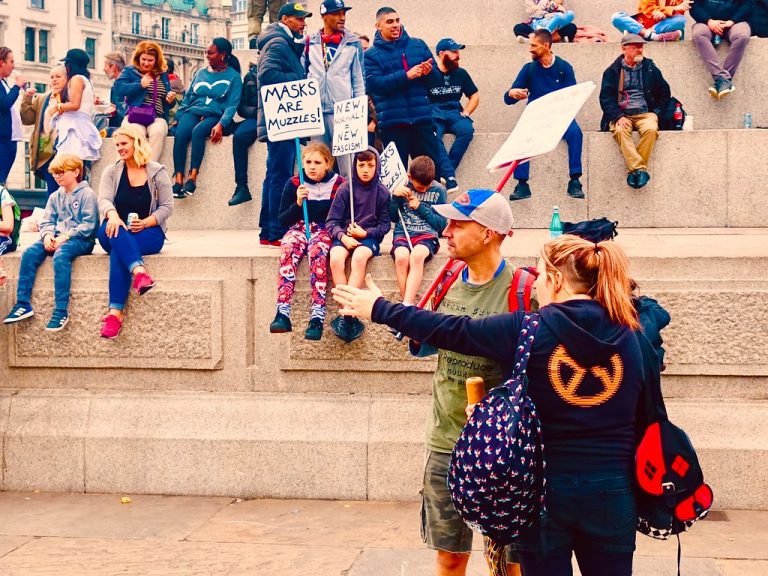
This sidelining of human rights makes it easier to subordinate human rights as less important than economic interests, writes Lee Carnie.
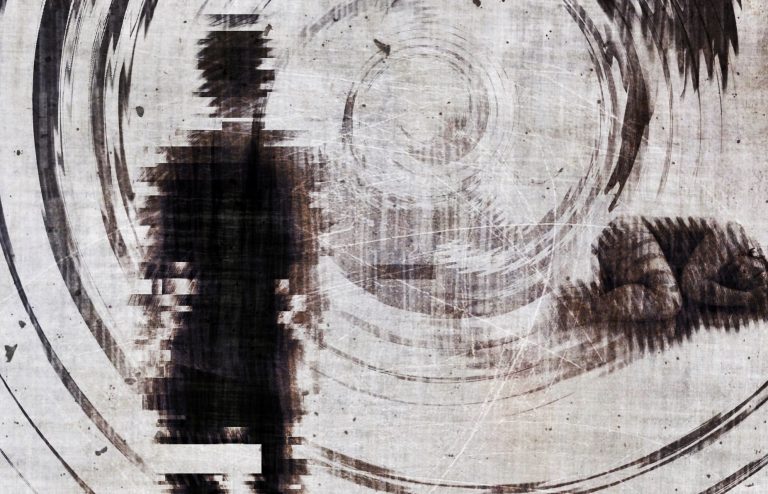
Simon Katterl takes us inside a public mental health hospital where it’s a daily battle for power and control.
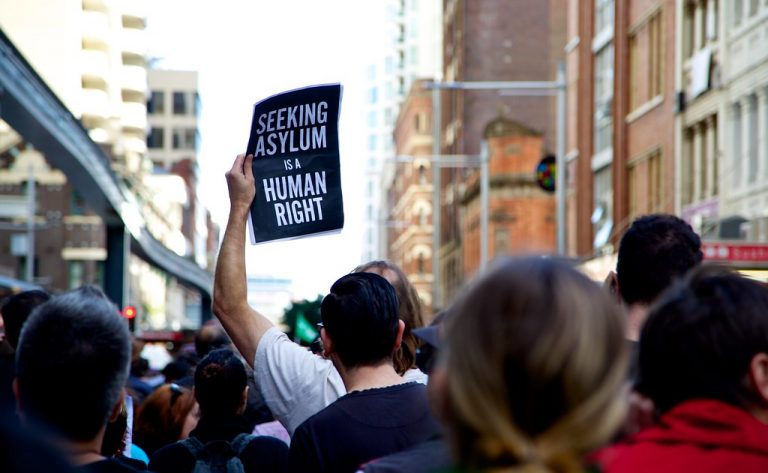
Australia’s public health response to COVID-19 demonstrates a double standard that blatantly disregards refugees and asylum seekers’ fundamental right to health.
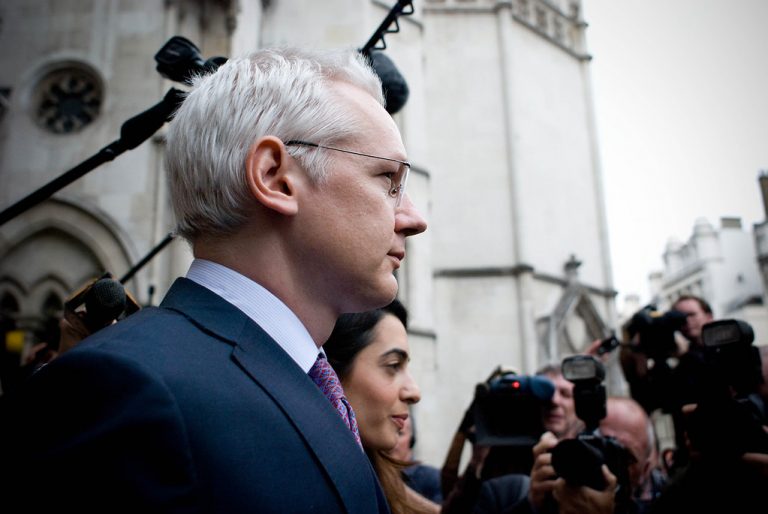
Can juries really be impartial on high profile cases when they are saturated by the media with information, opinion and propaganda about the people they are judging?
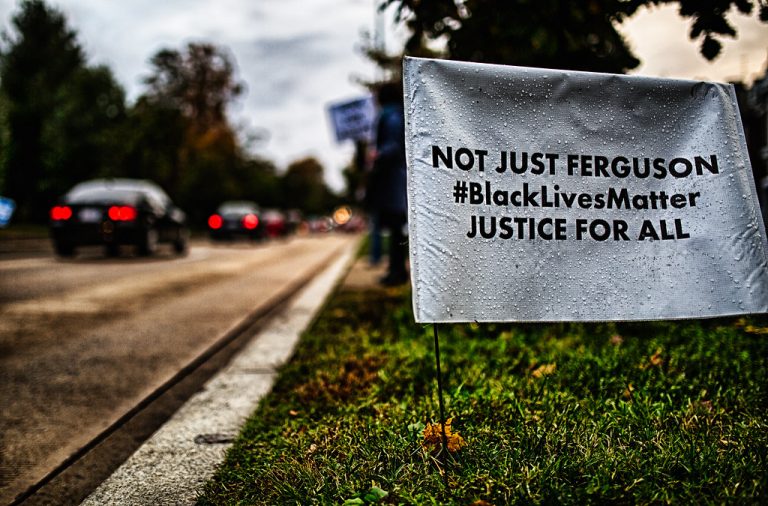
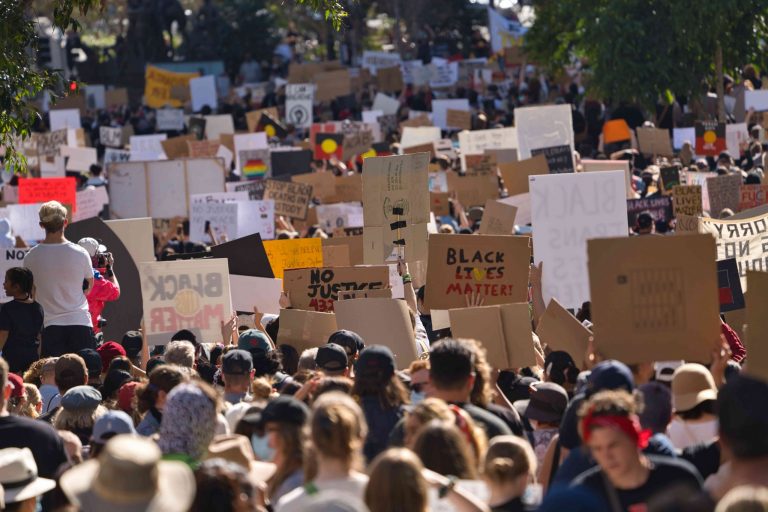
As the world learns of police brutality in the US, Australians are too ready to ignore the deaths of Bla(c)k people in their own country.