
A House is Just a Home
What is a house? What is a home? Ben and Tracey, once homeless, are now in possession of their own homes. But a home is just one tiny part of what they need, writes Carlynne Nunn.
What is a house? What is a home? Ben and Tracey, once homeless, are now in possession of their own homes. But a home is just one tiny part of what they need, writes Carlynne Nunn.

Chloe Potvin sheds light on the housing challenges female Indigenous prisoners face post-release.
Jessica Szwarcbord highlights the link between family violence and homelessness in the aim of reducing both.

Is Sri Lanka a suitable host for CHOGM considering the poor human rights situation in the country? We speak to Amnesty International’s Ming Yu.

In his new book, Profits of Doom, Antony Loewenstein travels to Christmas Island to investigate the reality of Australia’s privatised detention system for asylum seekers. In this excerpt, he recalls the day he saw a boat carrying asylum seekers arrive on the shores of Christmas Island.
Currently before the senate, the Homelessness Bill 2013 is the result of Kevin Rudd’s 2008 promise to halve the number of homeless Australians by 2020. The bill recognises the multifaceted nature of homelessness, writes Stephanie Murphy, but are these empty words?
In this guest editorial, James Farrell introduces us to August’s theme of homelessness – which has reached crisis proportions in Australia.

Amy Rogers argues that when an Australian company is operating in a developing country with a history of corruption, environmental and human rights violations, our government must take responsibility.
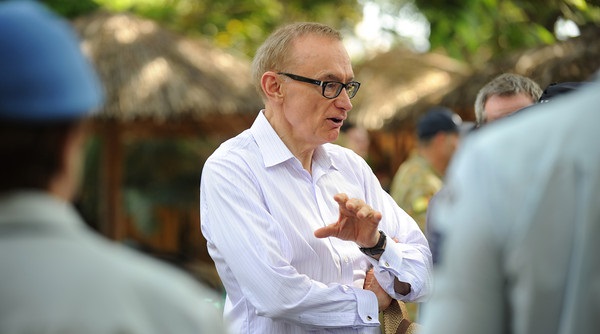
Jess O’Callaghan highlights the theme of not overlooking the past in submissions to an inquiry into the relationship between Timor-Leste and Australia initiated by Foreign Minister Bob Carr.
In the wake of Australia assuming the UN Security Council Presidency in September, Raymond Lau asks where to now for Australia and the international community on Darfur.

Every year, deaf Australians are involuntarily excused from jury service. Chloe Potvin looks at the potential for future law reform that would allow deaf Australians to serve on a jury.
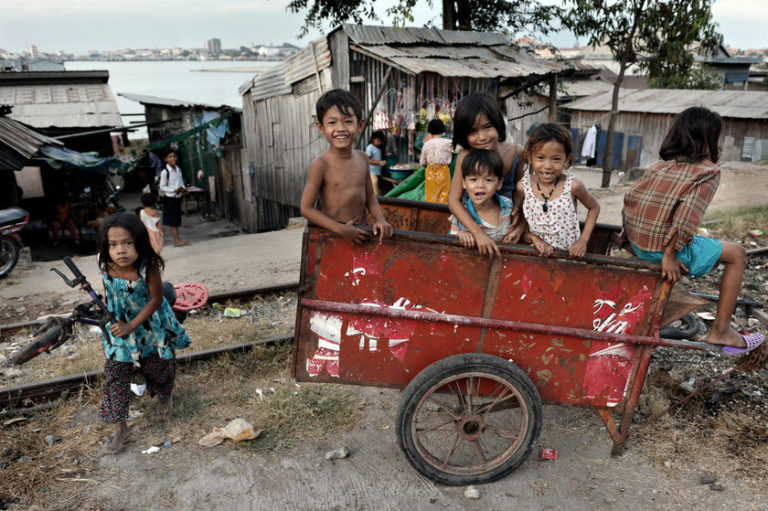
The Railway Rehabilitation Project in Cambodia seeks to improve economic development by reconnecting the country. AusAID provides 15 per cent of the funding. So far so good, but Morgan Macdonald asks, who’s responsible when the project leads to the violation of people’s land rights?