
NGOs, government censorship and you
NGOs need the freedom and independence to criticise government policies where necessary but the high rate of government outsourcing to the NGO sector is putting this independence at risk. Asher Hirsch explains.
NGOs need the freedom and independence to criticise government policies where necessary but the high rate of government outsourcing to the NGO sector is putting this independence at risk. Asher Hirsch explains.

Phoebe Tay learns about her own culture – Deaf culture – and the similarities and differences amongst Deaf communities around the world.

With arbitrary detention repeatedly used despite being repeatedly condemned by the international community on human rights grounds, Alexander Reilly and Justine Stefanelli suggest a different approach.

Hsin-Yi Lo explains why online activism cannot replace wider participation, engagement with the public and sacrifice to bring about social and political change.

Lyndal Rowlands explains the how and why of the ghettoisation of voices online, and the need for an inclusive cyberculture.

In recent times, Victoria Police have faced multiple allegations of institutional racism. Sara Maher looks at Victoria Police’s response, and the effectiveness of community engagement.

When it comes to significant shifts in culture, law and society are poised in an agonising “chicken or egg” scenario. Does the law change from above, trickling down to alter a culture? Or does a movement rise up, demand, fight, lobby for a change to which the law eventually concedes? It’s a dynamic relationship that doesn’t obey a strict rule of cause and effect.

Are “security” concerns enough to justify the Federal Government’s lack of transparency over asylum seekers? Marika Sosnowski looks at innovative decisions by the Israeli High Court that attempt to balance security and human rights as possible leads for Australia.
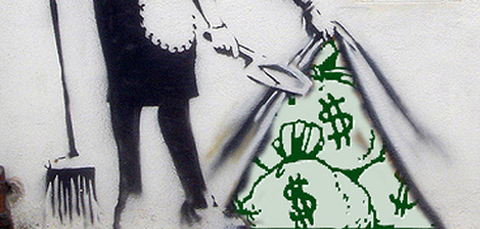
The Australian Government and education providers make a nice profit from international students, but fail to protect them from being exploited in the workplace, writes Alexandra Hurley.

With the Coalition set to change racial discrimination laws, John Alizzi explains why the whole debate misses the mark.

Queensland has over recent weeks passed a number of laws declaring guilt by association for those who are members of or associate with “criminal” bikie gangs. Kate Galloway looks at the culture of executive domination in politics in Queensland.
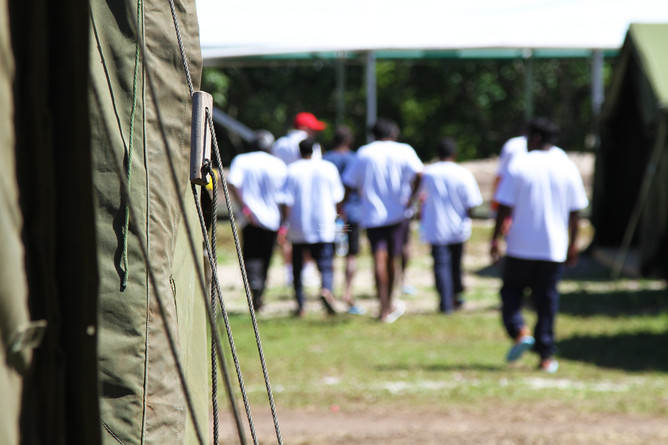
As more asylum seekers are being processed outside of the public eye there is a clear need for an independent medical panel to ensure that each person’s human right to sufficient physical and mental health care is being met, writes Chloe Potvin.