
Dear Australia
Are you “Australian enough?” Fed up with that question, and what it implies, Yasmin Hassen writes an open letter to Australia.
Are you “Australian enough?” Fed up with that question, and what it implies, Yasmin Hassen writes an open letter to Australia.

Social media has a responsibility to victims of domestic violence because it shapes the dialogue that allows domestic violence to flourish, writes Leona Hameed.

A refugee’s journey is often filled with violence, even after they land on Australian shores. Asher Hirsch details some real examples of the violence that occurs in Australian-run detention centres.

This month Right Now considers the relationship between violence and human rights. Click here to read our violence editorial.

When ABC journalist Jill Meagher was killed, the media led the community in an outpouring of grief. But the same cannot be said about the death of sex worker Tracy Connolly, who was also tragically murdered. Kate Galloway asks why.
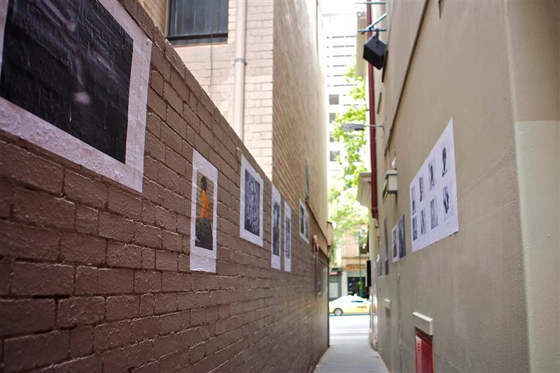
Australia suffers from a widespread housing crisis. While there are multiple dimensions to our national housing disaster, putting a brake on evictions should be our first priority. Chris Povey with more.
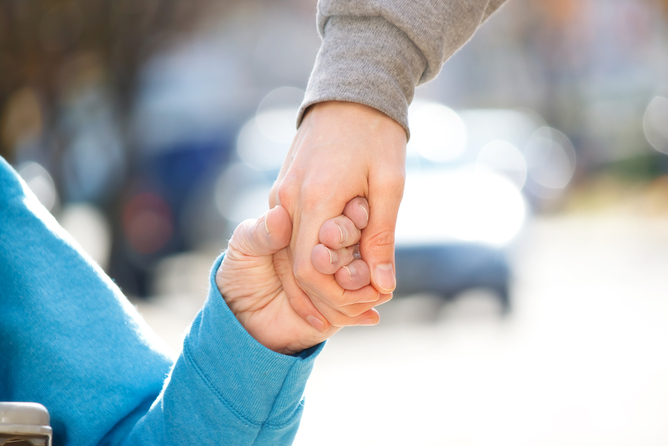
Nathan Despott and Asher Hirsch argue for a new approach to disability policy in Australia that advances the right to democratic participation for disabled Australians.
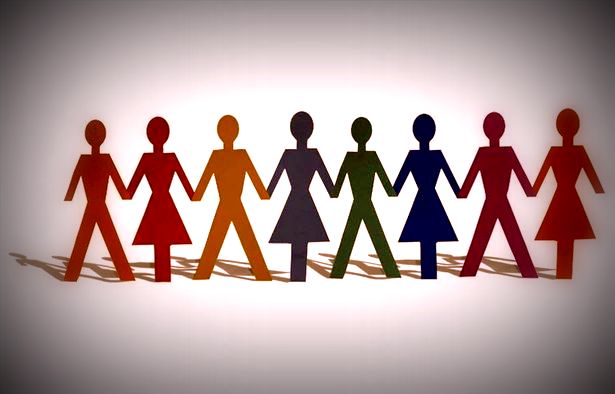
While many Australians may think Australia is a healthy democracy, a closer examination of our parliamentary representation tells a different story. Rose Hunter asks how representative our Parliament really is.
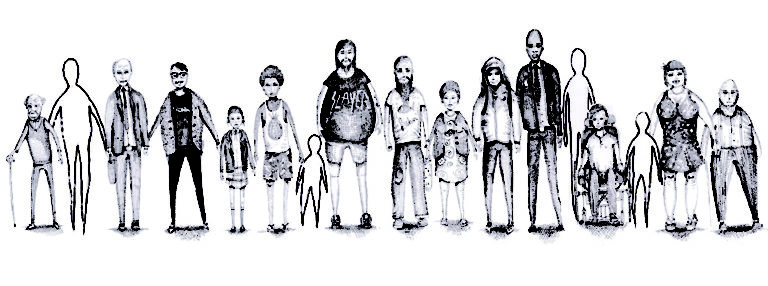
For Australians experiencing homelessness there are innumerable barriers to exercising the right to vote. Heidi Pett looks at the right to vote without an address.

Is police racism just a matter of a few “bad apples” or is it a more systemic problem? Mohamad Tabbaa tells us his harrowing account of experiencing years of discrimination by Victorian police.
Chief Executive of Hanover Welfare Services, Tony Keenan, discusses how the introduction of Victoria’s Charter of Human Rights has affected the way the organisation provides services to people experiencing homelessness.
Each night, around 1000 people sleep out in the long grass around Darwin. Sienna Merope explores the issues behind Darwin’s homeless population.