
The Rudd/Abbott Refugee Revolution
Spencer Zifcak explains why Australia’s asylum seeker policy misses the scale of the global refugee tragedy, disregarding both the humanity of asylum seekers and Australia’s international responsibility.
Spencer Zifcak explains why Australia’s asylum seeker policy misses the scale of the global refugee tragedy, disregarding both the humanity of asylum seekers and Australia’s international responsibility.

Assisted reproductive technologies (ART) have challenged our thinking around what it means to be human. Kate Galloway asks, ‘What do they mean for human rights?’
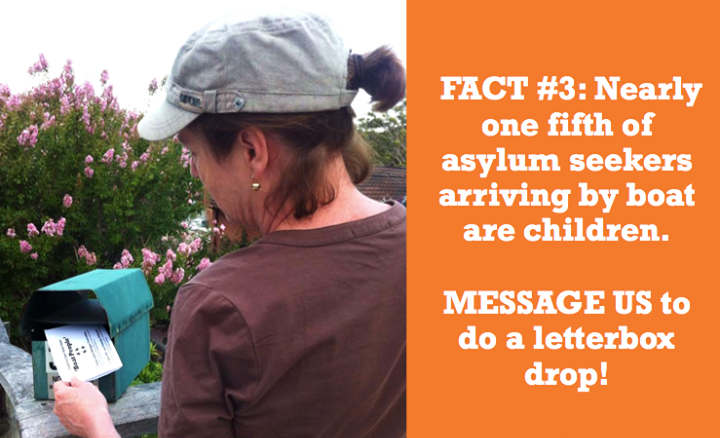
Sarah George, co-ordinator of the national education program “Five Facts You Didn’t Know About ‘Boat People’”, tackles social media, online protesting and planning a popular campaign.
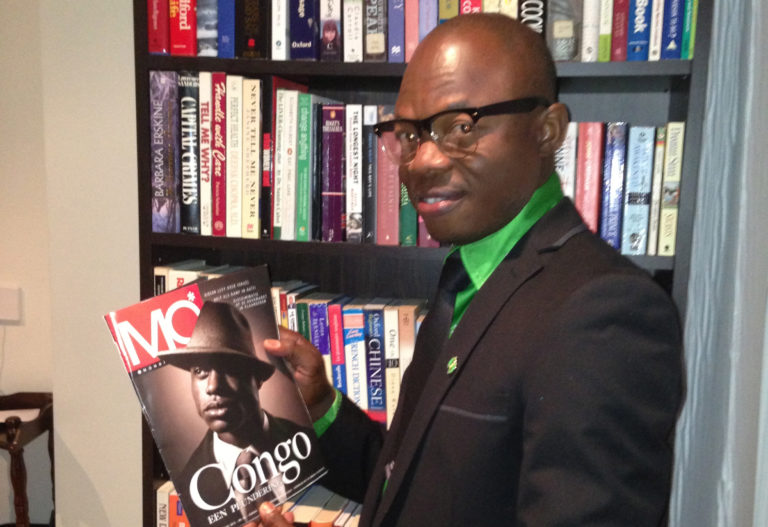
On technology, smart phones, journalism, and the representation of voices from the South – Lyndal Rowlands talks to Australia’s DRC-born Eric Mwamba. The first in our forthcoming Issue on Technology and Human Rights.
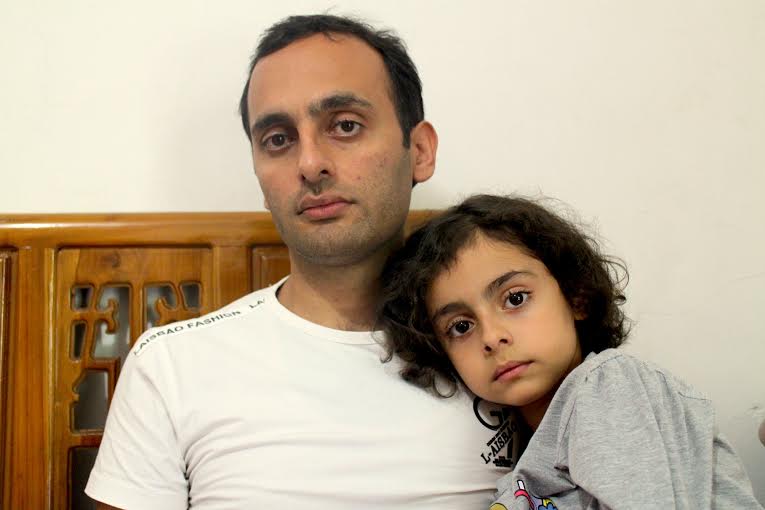
Laura O’Neill describes the situation on the ground for asylum seekers in Indonesia now that Australia is “deterring” boat arrivals – work rights, UNHCR processing, access to education and the threat of deportation or detention once refugee claims are rejected.
Besmellah Rezaee on the ins and outs of Australia’s ever-changing refugee laws. Where are we now? Where are we headed?
In the wake of recent revelations that Australia has turned at least two boats of asylum seekers back to Indonesia, Clarrie Burke looks at both the history and the current unfolding of the Coalition promise to “stop the boats”.
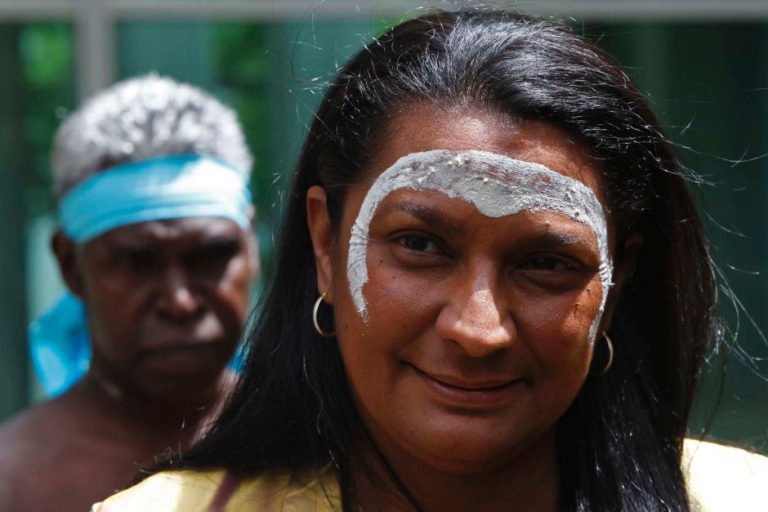
For the month of December, Right Now has published content with a focus on Human Rights and Cultural Shift. So where would we be without the movers and the shakers? Isabella Royce answers this and other questions in her profile of trailblazer Nova Peris, the first female indigenous politician elected to national parliament.
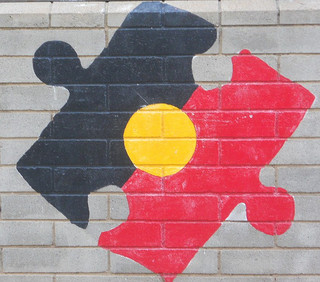
At the time of European settlement, around 250 Indigenous languages were spoken in Australia. Just 200 years later, it is estimated only 20 are widely spoken. Allison Worrall investigates the role of education in maintaining and revitalising Indigenous languages.
No media outlet would ever run a story featuring the N word as an adjective. Maddie Smith asks whether the same can be said for disparaging descriptions of mental illness.

Amy Barry-Macaulay explains government policy based on engagement, and the need for it now more than ever.

Melissa Reid looks at media coverage of Kony and asylum seekers to ask, does our fast-paced media culture need to change?