Stained
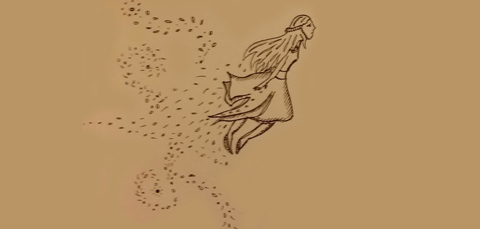
Sara El Sayed’s short fiction piece “Stained” is a reflection on difference, belonging and pride.
Sara El Sayed’s short fiction piece “Stained” is a reflection on difference, belonging and pride.
Two exhibitions at Counihan Gallery bring the complex cacophony of emotions experienced by asylum seekers to the fore, writes Mabel Kwong.

Alice Pung returns to Braybook, the suburb in Melbourne’s West where she grew up, to explore how youth education can break the cyclic nature of poverty and disadvantage.

Health issues were at the forefront of human rights media coverage in July writes Pia White, and the diagnosis for Australia is not good.

Marta Skrabacz considers reproductive rights as a women’s health issue, and recent developments in legislation regulating women’s bodies.
Sam Ryan asks whether some of the most celebrated, creative responses to raising funds to address global inequality are actually disarming powerful pockets of consumers and voters.

We speak with Vicki Wilkinson about her efforts to raise awareness and create change for young disabled people forced to live in nursing homes.
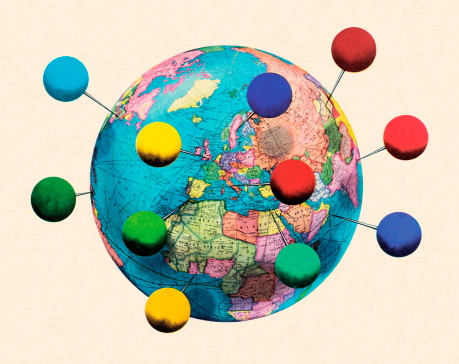
Why it is that historians are only now starting to talk about human rights? We spoke with Professor Mark Bradley of the University of Chicago to find an answer.

In light of Australian Olympic champion Ian Thorpe’s “coming out”, Tamara Cherny suggests that “being yourself”, particularly in a society less than accepting of diversity, is easier said than done.
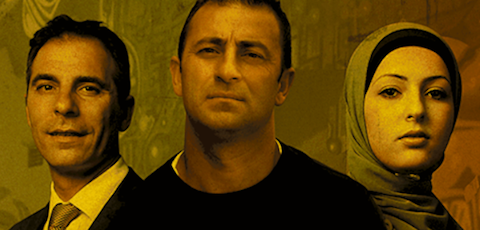
The conclusion of the four-part SBS series Once Upon a Time in Punchbowl delivered a sense of fulfilling closure, but Mohamad Tabbaa scratches beneath the fluffy surface to discover an unsettling situation that lies far from a satisfactory ending.
Ben Pynt explains that long-term detention – now the rule rather than the exception in Australian asylum seeker policy – causes inevitable ill effects on health, and that the oversight of the treatment of asylum seekers is becoming practically impossible.
Episode 3 of Once Upon a Time in Punchbowl fell into a tired, frustrating discourse on radicalisation and terrorism that is counter-productive in understanding and tackling the issue, but still raised important questions, writes Mohamad Tabbaa.