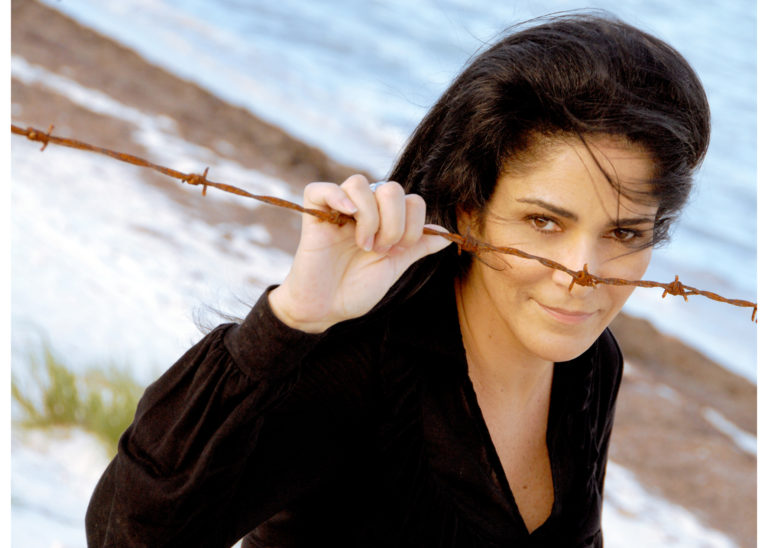
The Freedom Interviews: Lydia Cacho
In the third and final Freedom Interview Ellena Savage speaks with Mexican journalist Lydia Cacho, author of “Slavery, Inc.”, about her work uncovering the global sexual slavery industry.
In the third and final Freedom Interview Ellena Savage speaks with Mexican journalist Lydia Cacho, author of “Slavery, Inc.”, about her work uncovering the global sexual slavery industry.
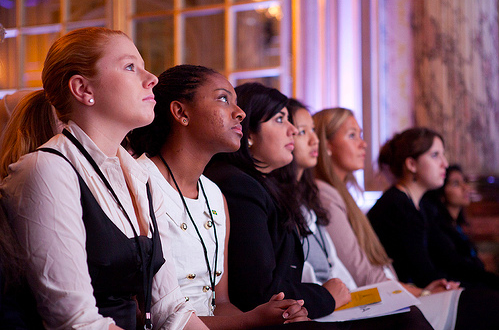
In Part Two of our Freedom Interview series Right Now’s Nicola Caon spoke with social entrepreneur Farah Mohamed, founder and CEO of G(irls) 20.

Henrietta de Crespigny reflects on the relevance of education in boosting international development.

Alice Pung returns to Braybook, the suburb in Melbourne’s West where she grew up, to explore how youth education can break the cyclic nature of poverty and disadvantage.

Paul Power, CEO of the Refugee Council of Australia, offers 10 concrete steps that could be taken to improve Australia’s asylum seeker policy.

Marta Skrabacz considers reproductive rights as a women’s health issue, and recent developments in legislation regulating women’s bodies.
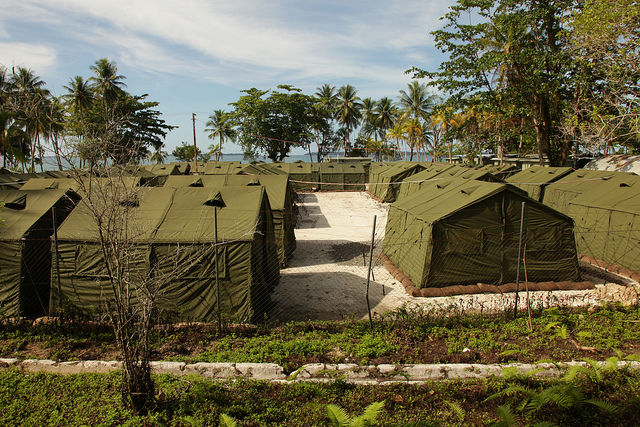
Ellen Hays spoke to Elaine Pearson, Australia director of Human Rights Watch, at the Castan Centre for Human Rights Law’s annual conference, where Pearson was speaking on the consequences of Australia’s border protection policy.

In light of Australian Olympic champion Ian Thorpe’s “coming out”, Tamara Cherny suggests that “being yourself”, particularly in a society less than accepting of diversity, is easier said than done.

Exhibited at the Global Ideas Forum this weekend, Voiceless Journeys is a project that depicts the stories of 101 people who left their countries as a result of conflict or internal problems to come to Australia.

Jack Maxwell explains that new laws aimed at bikie groups are a threat to the rights of all citizens, and what legal means might resist them