

As Myanmar Transitions, People Continue To Flee
Despite recent political and economic changes, decades of conflict and government-inflicted abuses in Myanmar still force people to flee across its borders.

Despite recent political and economic changes, decades of conflict and government-inflicted abuses in Myanmar still force people to flee across its borders.
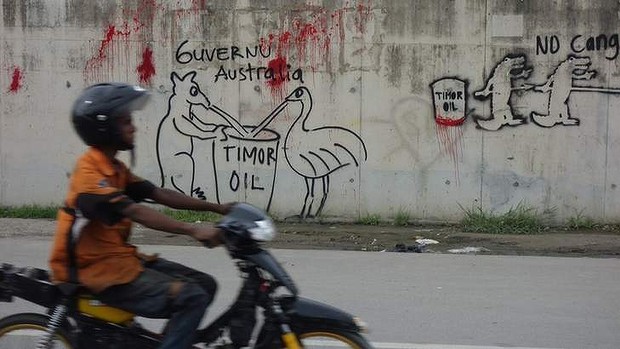
East Timor’s new Prime Minister calls for Australia to respect the young nation’s rights. Will the Australian government do the right thing?
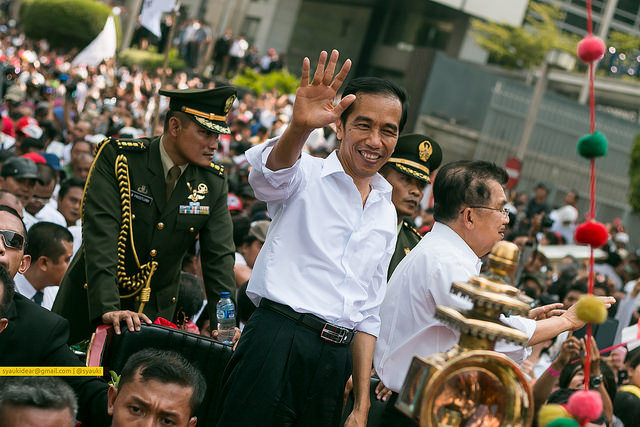
Executions are spectacles to satisfy our thirst for vengeance. We would be fooling ourselves to think otherwise, writes Senthorun Raj.

How can we strengthen human rights culture in Australia? Here are two important changes that need to happen.

Despite lacking a full consideration of institutionalised discrimination such as racial profiling, the case of DPP v Kaba draws a line between random stop & searches and the curtailing of individual liberties.

Poetry by Mary Chydiriotis.
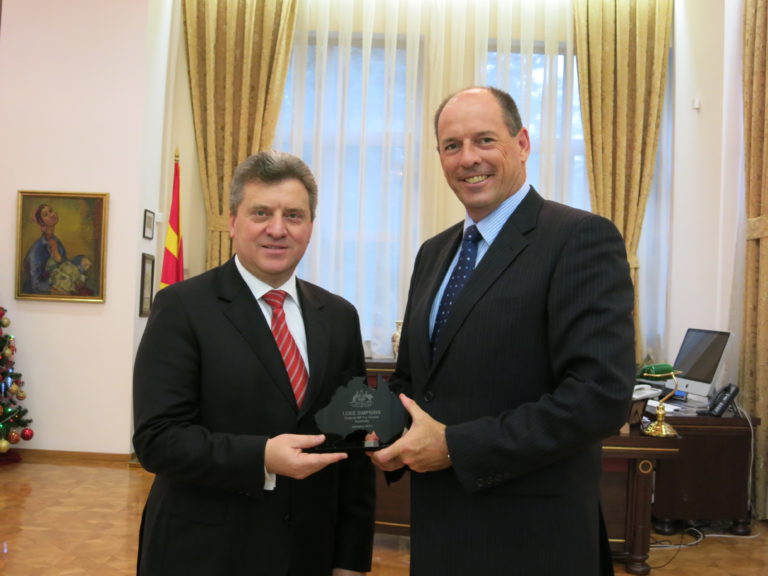
Liberal MP Luke Simpkins is a strong supporter of the Karen peoples independence struggle in Burma. Barrie Cadshaw explores how Simpkins became an unlikely advocate.

By channeling his own experiences into his work, multidisciplinary artist Sha Sarwari draws attention to the untold narratives of asylum seekers and invites the public to engage in conversations on this topic.
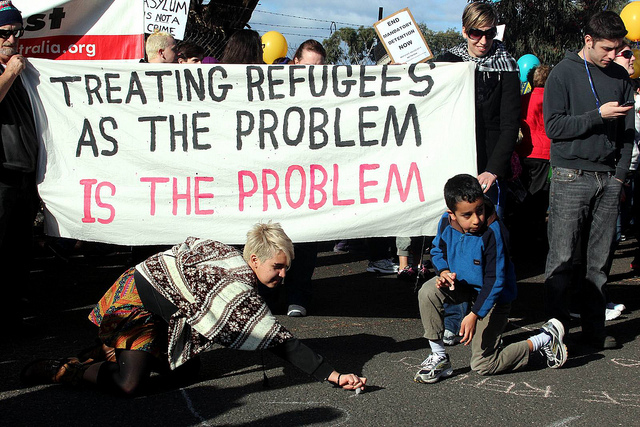
Gavin Ackerly, Director of the Empowerment Pillar at Melbourne’s Asylum Seeker Resource Centre, writes about the ASRC’s new model which helps asylum seekers find solutions to their own challenges.
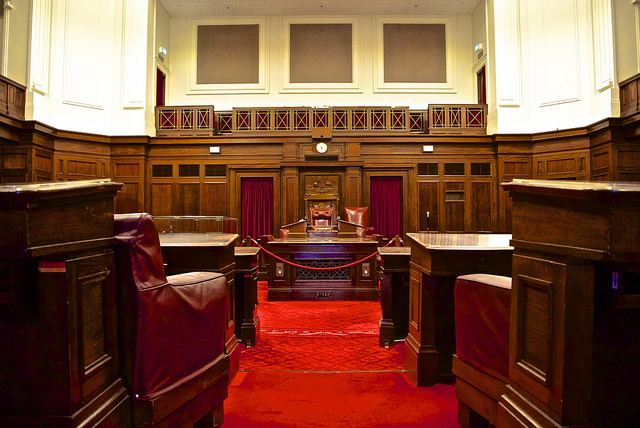
Dr Joyce Chia discusses the implications of the Australian Citizenship and Other Legislation Amendment Bill 2014 for our democracy.

The world’s refugee crises cannot be resolved without political action. It’s time for political leaders to take responsibility for the world’s displaced, writes Refugees International’s Jeff Crisp.

Australia’s agreement to transfer refugees from Nauru for resettlement raises insecurities for both Cambodia and the refugees themselves, particularly women.