

Hunting the trolls: Interview with Ginger Gorman
Jay Thompson speaks to Ginger Gorman about the harm caused by online trolling and how it can cross over into the offline world.
Jay Thompson speaks to Ginger Gorman about the harm caused by online trolling and how it can cross over into the offline world.

I recently found myself, an avid lover of fashion, remarking to a colleague: ‘Really, all aspects of the fashion chain are terrible. The more I think about it, the more I feel like we shouldn’t wear clothing at all – we should all just be nude’. She laughed, but I was kind of serious. It […]

Boys Will Be Boys: Power, Patriarchy and the Toxic Bonds of Mateship By Clementine Ford Allen & Unwin Clementine Ford has delivered a fantastic piece of work written with a delicious language that is a well-crafted blend of passion, anger and humour. Boys Will Be Boys takes the reader through the very concerning series of […]
The poem ‘Razor Wire Childhood’ by Rodney Williams was inspired by a series of drawings by children held on Christmas Island. Although that facility has now closed, the issue of children held in detention in Australian government facilities is still relevant today.

How will automation and globalisation affect the way we work in the future?
How can we use human rights to ensure that the worst of what humanity is capable of is kept at bay?
Richard Denniss explores the problems of neoliberalism, and the changes that need to be made for the future of Australia.
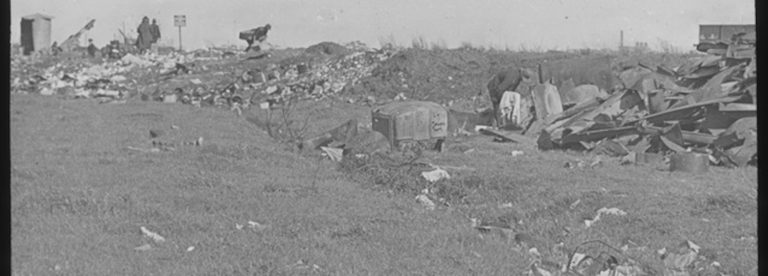
In Blue Lake, David Sornig writes about the vulnerability and resilience of a forgotten area of Melbourne, and the people who inhabit it.

In her first column for Right Now, Lur Alghurabi considers one’s relationship to country and to citizenry through the lens of her experience and through that of those around her, including her father.

The impacts of war on those who reside in conflict zones go beyond immediate threats to one’s life. Nadia Kaunein considers the impacts of the Israel-Palestine conflict on Palestinian peoples’ access to the right to health.

Zoya Patel describes being caught between cultures, in this book which discusses community, migrant identity and the pain of not belonging.

The donation of goods that can’t be used adds an extra burden to communities affected by disaster. This is why cash is always best.