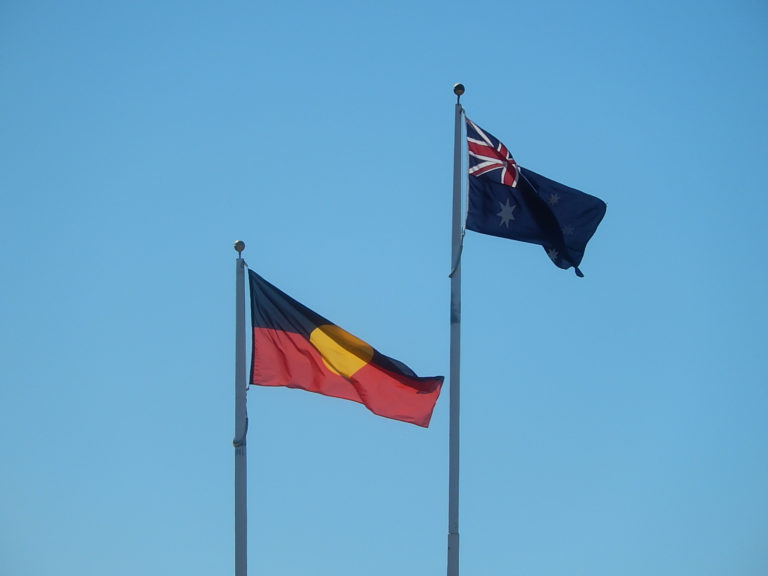
What happens when a remote Aboriginal community in Western Australia is ‘closed’?
Rose Carnes clarifies how the closure of remote Aboriginal communities is a form of forced eviction as defined by the Office of the High Commissioner for Human Rights.
Rose Carnes clarifies how the closure of remote Aboriginal communities is a form of forced eviction as defined by the Office of the High Commissioner for Human Rights.

Despite recent political and economic changes, decades of conflict and government-inflicted abuses in Myanmar still force people to flee across its borders.
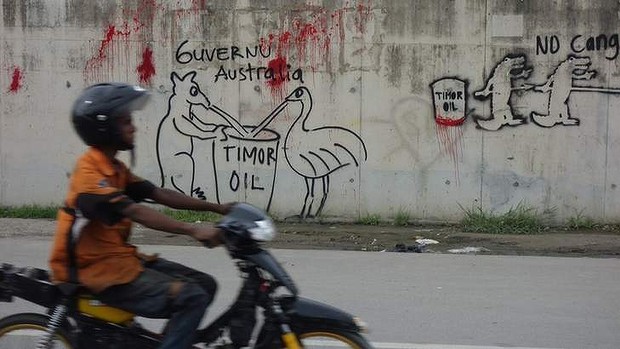
East Timor’s new Prime Minister calls for Australia to respect the young nation’s rights. Will the Australian government do the right thing?

Despite lacking a full consideration of institutionalised discrimination such as racial profiling, the case of DPP v Kaba draws a line between random stop & searches and the curtailing of individual liberties.

Photographer Ian Flanders documents sexual slavery in Phnom Penh with his project, “By the River.”

By channeling his own experiences into his work, multidisciplinary artist Sha Sarwari draws attention to the untold narratives of asylum seekers and invites the public to engage in conversations on this topic.

Australia’s agreement to transfer refugees from Nauru for resettlement raises insecurities for both Cambodia and the refugees themselves, particularly women.

Arts activist Scotia Monkivitch devised a walked performance and installation to poetically engage the public in dialogue on border politics during the 2014 G20.

Climate change is traditionally viewed in isolation from matters of national security and human rights. But ecological factors can play a central role in heightening the risk of armed conflict.

Documentary photographer Conor Ashleigh is running a series of creative storytelling workshops for Sydney migrant youth called “Seeing Summer.”