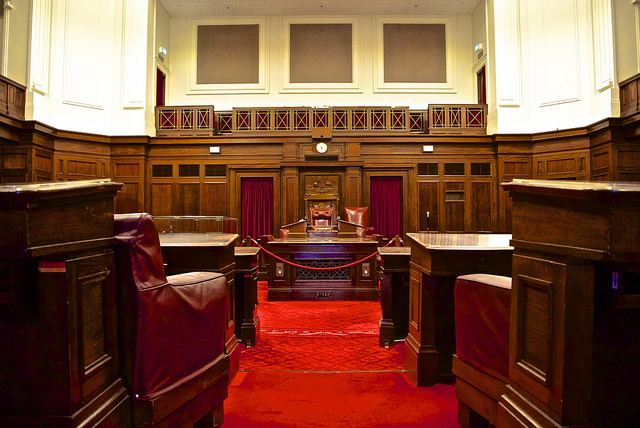
What Australian refugee and immigration policy tells us about our democracy
Dr Joyce Chia discusses the implications of the Australian Citizenship and Other Legislation Amendment Bill 2014 for our democracy.
Dr Joyce Chia discusses the implications of the Australian Citizenship and Other Legislation Amendment Bill 2014 for our democracy.

The world’s refugee crises cannot be resolved without political action. It’s time for political leaders to take responsibility for the world’s displaced, writes Refugees International’s Jeff Crisp.

Australia’s agreement to transfer refugees from Nauru for resettlement raises insecurities for both Cambodia and the refugees themselves, particularly women.

When an act of terrorism strikes, everyday Muslims in Australia suffer alongside every other Australian, writes Zoya Patel.

Arts activist Scotia Monkivitch devised a walked performance and installation to poetically engage the public in dialogue on border politics during the 2014 G20.
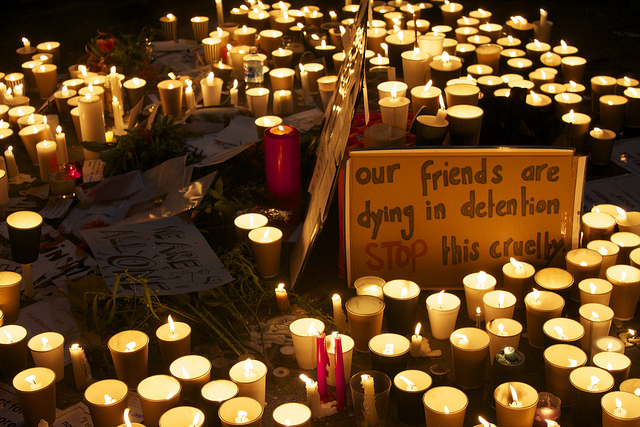
Why do we turn some incidents of political violence into public spectacles of terrorism while obscuring others?

Climate change is traditionally viewed in isolation from matters of national security and human rights. But ecological factors can play a central role in heightening the risk of armed conflict.
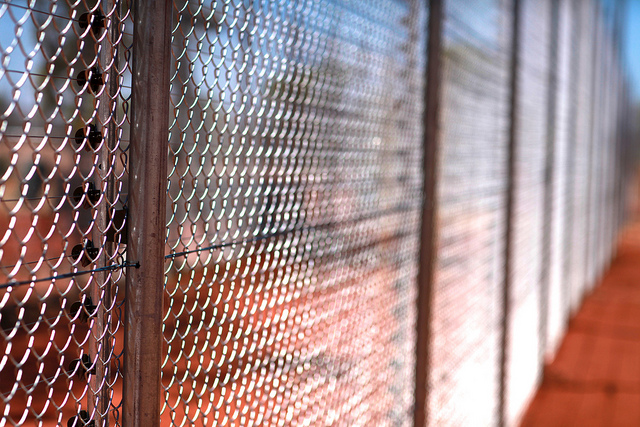
“Their suffering is now my suffering.” Anne Hilton tells us what inspired her to walk from Sydney to Canberra for asylum seekers.

The unique experiences of LGBTI asylum seekers are often overlooked by politicians and the media.
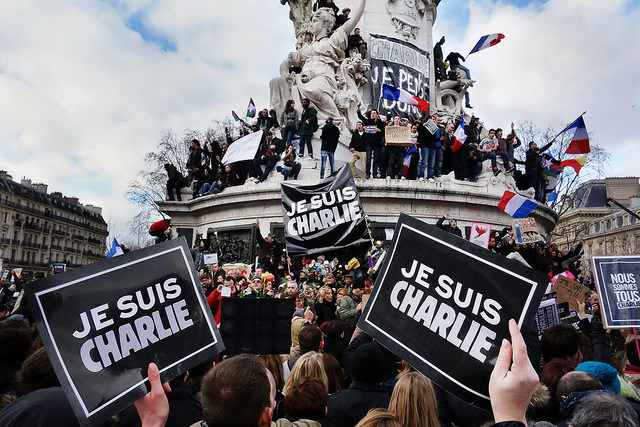
The murders of Charlie Hebdo journalists was a horrific tragedy. But that does not mean the “right to offend” is a cause we should champion, writes Somayra Ismailjee.
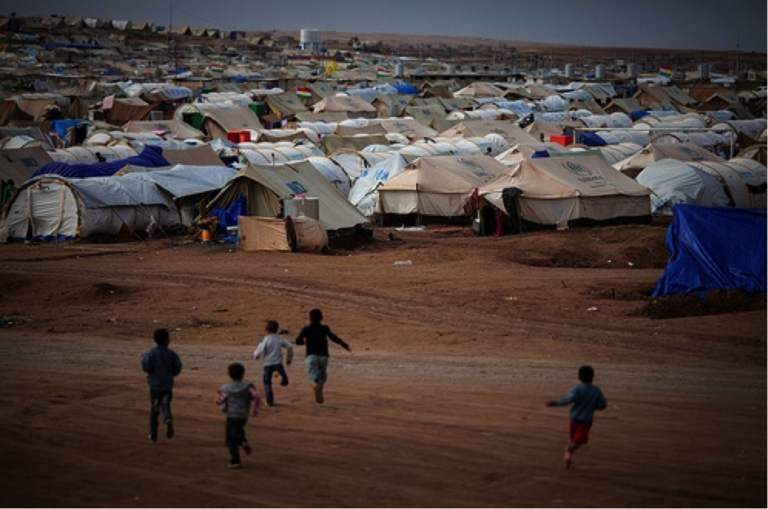
In November, Right Now explored human rights issues from around the globe. Read our November issue here.

Ellen Hays considers why many Australians support harsh refugee policy, and explores possible ways the pro-refugee movement could improve public opinion.